Vehicle Registration and Title Requirements in Texas
Buying a car, moving to Texas, or renewing your registration all come with paperwork, and recent changes to the state's inspection rules have left many drivers unsure what's required. Texas changed its inspection rules in 2025, and the way registration, titles, and emissions testing fit together now looks a little different.
Understanding how registration and titles work helps Keller and Tarrant County drivers stay legal on the road and avoid surprises at renewal time.
Which Agency Handles Registration and Titles
Many drivers assume the Texas Department of Transportation handles registration, but that job belongs to a separate agency. The Texas Department of Motor Vehicles, or TxDMV, oversees vehicle titles and registration statewide, while TxDOT focuses on roads and highways.
Most registration and title transactions are processed through county tax assessor-collector offices, which work on behalf of TxDMV. Keller residents use the Tarrant County Tax Assessor-Collector's motor vehicle services, and many renewals can be completed online or by mail. The Texas DMV's vehicle registration information explains the options.
Titling a Vehicle After a Purchase
When you buy a vehicle, Texas generally requires you to file for a title transfer within 30 days of the sale. Waiting longer can lead to late fees. If you buy from a dealer, the dealer usually handles the paperwork for you.
In a private sale, the buyer and seller complete the title application together, the seller signs over the title, and both sides should check the VIN and confirm there are no liens. Sellers can also file a vehicle transfer notification to protect themselves if a buyer doesn't complete the transfer.
The Texas DMV's guide to buying or selling a vehicle walks through each step. For a used vehicle, a pre-purchase inspection can also reveal transmission, overheating, or engine problems before you sign.
How Inspections and Emissions Testing Work Now
Beginning January 1, 2025, Texas ended its annual safety inspection requirement for most noncommercial vehicles. Instead, an inspection program replacement fee is collected when you register or renew.
Emissions testing still applies in Tarrant County, where many gasoline vehicles still need a passing emissions test before registration can be renewed. Because Texas uses a single registration sticker, the test and the renewal are linked, and the vehicle must pass the test first. Your renewal notice will usually tell you whether testing is required.
The Texas Commission on Environmental Quality's vehicle emissions program explains which counties and vehicles are covered.
Newer vehicles are tested through their onboard diagnostics, so a check engine light or stored trouble codes can cause a vehicle to fail.
New Residents and Other Common Situations
New Texas residents generally have 30 days after moving to register their vehicles. The process includes meeting emissions requirements, showing proof of insurance, and applying for a Texas title and registration at the county office.
- Expired registration can lead to citations, so it's worth renewing on time.
- Vehicles that have sat unused may need repairs before they can pass an emissions test.
- Lost titles can usually be replaced by applying for a certified copy.
Keeping Your Vehicle Ready for Renewal
A little preventive care makes renewal season easier:
- Address check engine lights early instead of waiting until renewal.
- Keep up with tune-ups so the engine runs cleanly.
- Watch for overheating and coolant leaks.
- Have shifting problems or slipping checked before they get worse.
Honest Recommendations and Dependable Workmanship
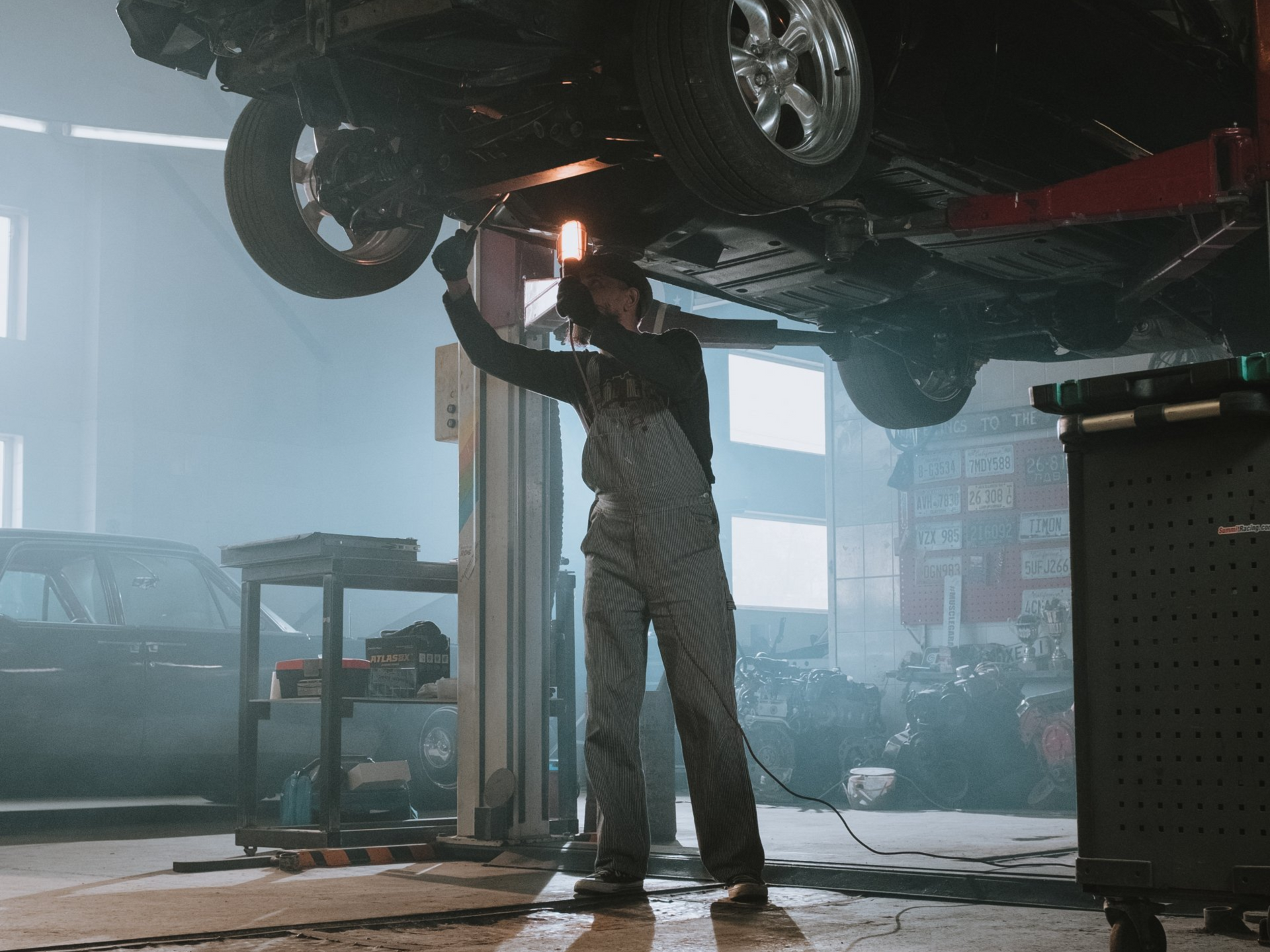
Keller Alliance Auto Repair in Keller, TX is a locally owned and operated shop that has served drivers for over 14 years, welcoming customers from Fort Worth, North Richland Hills, Grapevine, Southlake, Flower Mound, and nearby communities. Count on honest recommendations, fair pricing, and dependable workmanship, from radiator service and transmission repair to engine tune-ups that help your vehicle pass its emissions test.
Call (817) 431-0019 or schedule service today. A trusted local shop helps you stay ahead of maintenance and repairs, so emissions tests and renewals go smoothly.